.jpeg)
Fashion has always had a funny relationship with time. Trends don’t really disappear so much as they step offstage, wait patiently, then come back wearing a slightly different attitude. Few things show this better than the way silhouettes cycle across decades. Hemlines rise and fall, shoulders broaden and soften, waists cinch and release, and every generation swears their version feels brand new. In reality, it’s a familiar shape reframed for a new cultural moment.
Silhouettes tend to respond to how people want to feel in a given era. When life feels uncertain or restrictive, clothing often loosens up, offering comfort and freedom. When confidence and optimism take center stage, shapes sharpen, structure returns, and garments start making bolder statements. This push and pull explains why the same outlines keep resurfacing, even as fabrics, styling, and social meaning evolve.
Take the hourglass silhouette, for example. Popularized in the 1950s, it emphasized a defined waist, full skirts, and a balanced bust and hip line. It was glamorous, controlled, and unmistakably feminine, reflecting post-war ideals centered on domestic stability and polished presentation. Decades later, the same silhouette returned in different forms. In the 1980s and again in the 2010s, cinched waists reappeared through belted dresses, peplum tops, and tailored coats. The shape remained recognizable, but the message shifted. Instead of quiet elegance, it often signaled power, confidence, and body awareness.
The opposite swing can be seen in straight and boxy silhouettes. The 1920s famously rejected curves, favoring dropped waists and loose, column-like dresses. That look spoke to rebellion, independence, and a desire to move freely. Fast forward to the 1960s and 1990s, and similar shapes returned. Shift dresses, oversized tees, and minimalist tailoring echoed that same relaxed outline. Each revival carried its own edge, whether tied to youth culture, countercultural movements, or a rejection of overly polished fashion.
Oversized silhouettes are another recurring favorite. In the 1940s, broad shoulders and structured jackets projected strength during a time of global conflict. The 1980s took that idea and amplified it, turning power dressing into a cultural phenomenon with exaggerated shoulder pads and dramatic proportions. Today’s oversized trend leans less rigid but still plays with scale. Slouchy blazers, wide-leg trousers, and roomy coats offer a sense of ease while subtly nodding to past decades that valued presence and authority.
The rise and fall of slim silhouettes also tell a story. The 1960s introduced ultra-slim tailoring, particularly in menswear-inspired looks and mod fashion. Clean lines and narrow cuts felt modern and futuristic at the time. That same lean outline resurfaced in the early 2000s, when low-rise jeans, fitted tops, and body-hugging dresses dominated pop culture. While the aesthetic looked similar on the surface, the cultural tone had shifted, shaped by celebrity influence, media saturation, and changing beauty standards.
High-waisted silhouettes offer another clear example of fashion’s cyclical nature. Popular in the 1940s and 1950s for practical and flattering reasons, they fell out of favor during the low-rise obsession of the late 1990s and early 2000s. Their return in the 2010s felt almost revolutionary, even though the shape had been there all along. Styled with cropped tops, relaxed denim, or tailored trousers, high waists became a symbol of comfort, confidence, and a more inclusive approach to dressing.
Skirt and pant shapes follow similar patterns. The full, sweeping skirts of the 1950s gave way to pencil skirts, which later resurfaced in office wear across multiple decades. Bell-bottoms exploded in the 1970s, vanished, then came back in subtler flares in the 1990s and again in recent years. Each revival tweaks the proportions slightly, but the core silhouette remains instantly recognizable.
What makes these cycles so enduring is the way designers reinterpret old shapes through modern lenses. Advances in fabric technology allow silhouettes to feel lighter, stretchier, and more wearable than their predecessors. Cultural shifts also change how these shapes are perceived. A silhouette once associated with formality might return styled casually, while a once-radical shape becomes mainstream.
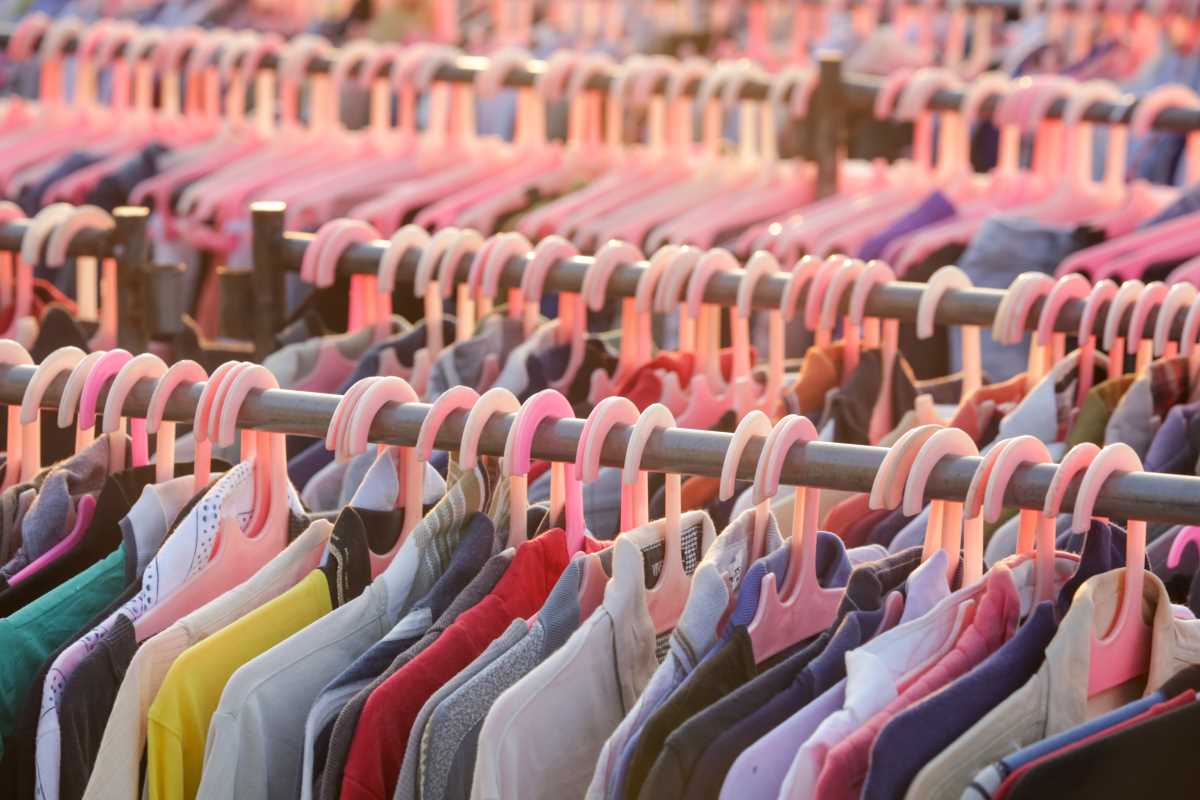
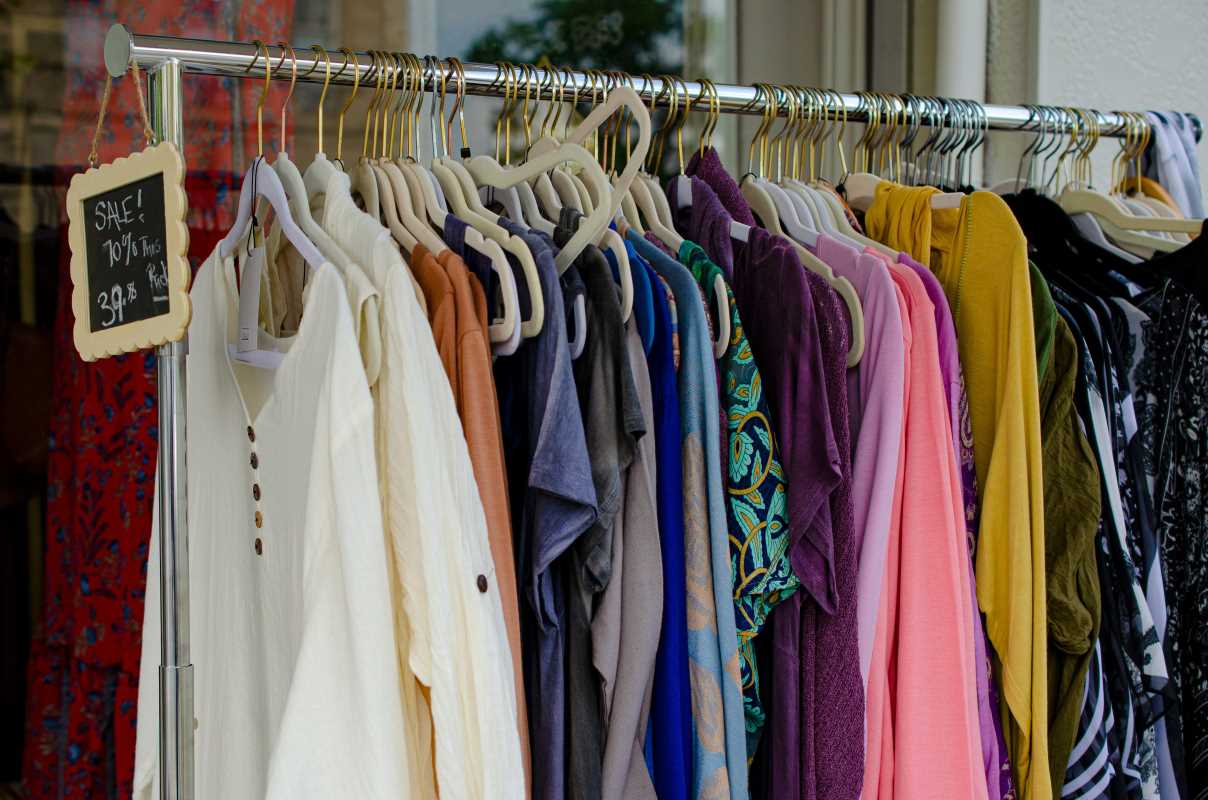
Social media and vintage resale culture have only accelerated this process. Younger generations now have constant access to visual archives of past fashion moments. A single viral image can revive interest in a decades-old silhouette overnight. Thrift stores and online marketplaces make it easier than ever to wear authentic vintage pieces, blending old shapes with contemporary styling.
There’s also a psychological comfort in familiar silhouettes. Even when trends feel new, recognizable shapes offer a sense of continuity. They allow people to experiment without stepping too far outside what feels wearable. This balance between novelty and nostalgia is a big reason why silhouette cycles never truly stop.
Ultimately, the return of silhouettes across decades isn’t about copying the past. It’s about reinterpreting it. Each era borrows what it needs, reshapes it to fit current values, and sends it back into the world with a fresh perspective. Fashion moves forward by looping back, proving that while styles may change, the human desire for expression through shape and form remains timeless.