 (Image via
Late-night scrolls through updates, fan art filling social media, and endless speculation about what comes next all point to shows that capture attention in a powerful way. Some series ignite conversations that stretch from casual chats with friends to expansive discussions on Reddit. These shows offer distinctive moments and surprises that inspire excitement, drawing people together and turning watching into a shared adventure. Fans find themselves not just following a plot but becoming part of a vibrant community, united by their passion for the world and characters unfolding on screen.
From eerie retro adventures to high-stakes fantasy quests, the following five picks generated not just viewers but armies of superfans dissecting every frame. You’ll see how specific twists and characters fueled heated arguments, while creative fan projects and viral memes cemented these shows in pop culture. Ready to explore what makes these fandoms ignite?
Series Summaries and Fandom Origins
- Stranger Things: Its ‘80s nostalgia, supernatural thrills and lovable cast sparked early excitement on social platforms. Viewers formed book clubs that turned into watch parties to decode the Upside Down.
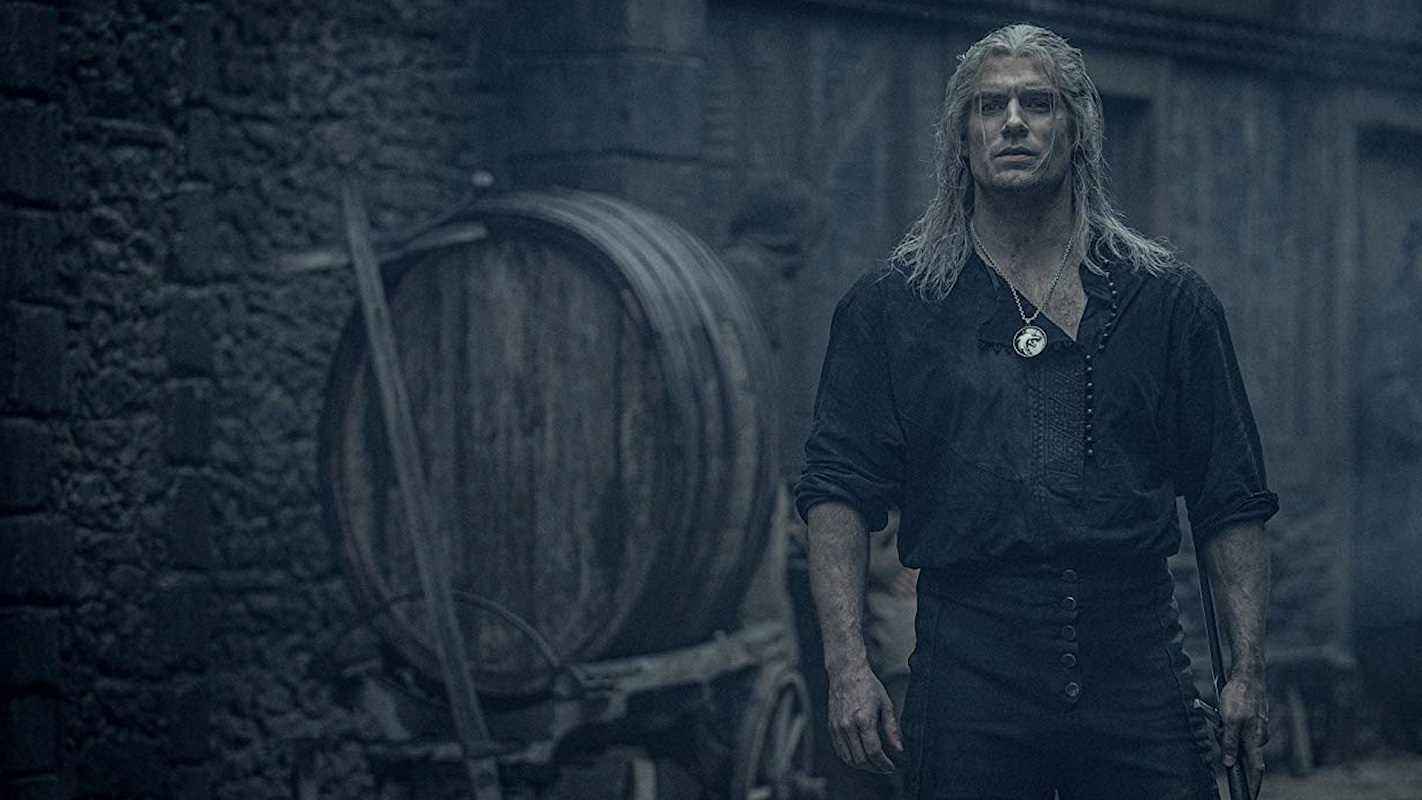
- The Witcher: Medieval monster-hunting blends with complex lore. Henry Cavill’s Geralt prompted discussions dissecting sword fights and magic rules, fueling endless lore debates.
- Bridgerton: Period drama with a modern soundtrack attracted fans passionate about Regency romance. Social posts celebrating fashion and scandalous plot twists created a virtual high society.
- Squid Game: Eleven deadly challenges and social allegory turned every shocking death into a trending topic. Fans recreated games while debating class critiques.
- Loki: Marvel’s trickster god jumping timelines sent theorists into overdrive about multiverse rules. His schemes broke the usual hero mold and gave plenty to argue about.
Each show focused on a different angle—nostalgia or social satire, epic fantasy or comic mischief—and fans flocked to social platforms to voice their opinions. Groups formed on Discord, joining debates about favorite characters and upcoming plotlines.
Major Episodes That Prompted Big Debates
- Chapter Nine: The Gate (Stranger Things): That finale twist where Hopper’s fate hung in the balance triggered countdowns and urgent theory threads.
- Family (The Witcher): Geralt’s confrontation with his origins sparked discussion on Ciri’s destiny, with viewers ranking sword-play to royal politics.
- Art of the Swoon (Bridgerton): The rake’s identity reveal sent fans into overdrive, sharing period-drama memes and debating which couple would steal the next season.
- Red Light, Green Light (Squid Game): That first brutal elimination scene sparked global conversations on morality and desperation, with hashtags highlighting the show’s social commentary.
- Lamentis (Loki): The planet-crashing finale and glimpses at endless variants stirred wild theories about time loops and character fates.
Some episodes became weekly watercooler moments. Fans analyzed every frame, timed Easter eggs and debated subtle hints. These discussions spread beyond social media into podcasts and livestream watch-alongs.
Even casual viewers participated by uploading clips and reaction videos that garnered millions of views. The more people discussed, the larger these communities became.
Social Media Influence and Fan Theories
From TikTok dance routines to Twitter polls, social platforms expanded each show’s cultural reach. TikTokers reenacted iconic scenes, increasing visibility and inspiring new fans to join the conversation. Instagram filters let anyone pose with notoriously creepy dolls or regal hats from a beloved period drama.
Meanwhile, Reddit and fan wikis filled with puzzling theories. Someone proposed that two seemingly unrelated characters share a secret lineage. That idea dominated discussions and inspired mash-up fan art.
Community Participation and Fan Creations
Dedicated fans built interactive maps showing key locations, while DIY tutorials taught others how to craft accurate replicas of distinctive props. This creative teamwork gave newcomers a way to get involved—everyone could contribute by drawing, writing or cosplaying.
Podcasts held roundtable discussions for each episode, with superfans debating character motivations or predicting plot twists. Some influencers even produced mini-documentaries interviewing cast members at conventions, strengthening the connection between show and viewer.
- The decision to kill a fan-favorite in the first half of season two on Stranger Things led to trending boycott tweets and passionate think-pieces.
- The Witcher faced criticism for straying from its source novels, prompting letter-writing campaigns demanding “more accurate lore.”
- Bridgerton drew criticism for risqué scenes, sparking debates over show ratings and cultural sensitivities.
- Squid Game faced backlash over its graphic violence; some viewers felt it glorified brutality, fueling heated media discussions.
- Loki upset fans by killing beloved variants too early, leading to viral petitions to “save the next variant” from death.
These moments reminded creators that fandom energy runs high—and that every plot decision can generate waves of praise or criticism. Producers often responded by hosting AMAs or releasing behind-the-scenes footage to soothe concerns.
While some backlash temporarily reduced engagement, it often reignited interest, prompting even more people to stream the shows and see what all the fuss was about.
These five series show that a great streaming show is more than just watched—it creates shared experiences and discussions. They turn casual viewers into dedicated communities through memorable moments and online conversations.